
A good gutter system does more than just catch rain that falls on the roof. It safely moves water away from the house so that the siding, landscaping, and foundation don’t get damaged. The gutter downspout system is what really moves the water away from the house, even though the gutters catch the rain. If the downspouts aren’t put in the right way, even the best gutter system won’t keep water from getting into your house.
Many homeowners think about gutters, but not the parts that safely carry water away from the house. Downspouts make sure that water that collects in gutters flows through a vertical pipe and is safely let go away from the foundation. This guide tells you how downspouts work, what kinds of downspouts there are, how drainage systems work, and when homeowners should think about hiring a professional to install or replace them.
What Is a Gutter Downspout?
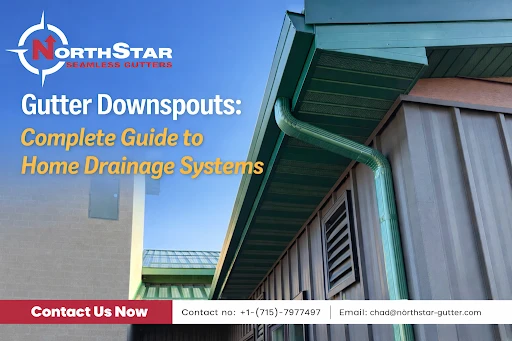
A gutter downspout is a pipe that goes straight down from the roof to the ground and connects to the gutter system. It connects to the gutter outlet and lets the water that has been collected flow down quickly and safely.
If there were no downspouts, rainwater would go straight from the gutters’ edges. This could do a lot of damage to the siding, foundations, and landscaping. Downspouts keep water from collecting around the house by directing it along a set path.
Gutters and rain gutter downspouts work together in a normal drainage system. The downspout on the roof catches rainwater and sends it away from the building. This system works together to keep parts of the building from getting too wet and breaking.
How Gutters and Downspouts Work Together
The gutters and downspouts must work together for the drainage system to work. The gutter channel catches rain that falls on the roof and sends it to places where it can flow away. Downspouts send water from these outlets to the ground.
This is how this system works:
- Rainwater runs off the roof and into the channel that collects it.
- The gutter sends water to the outlet’s holes.
- The pipes let the water flow straight through.
- The water is moved away from the base in a way that is safe.
A lot of homes also have rain gutters and downspouts that lead to drainage pipes or extensions that are buried in the ground. These make the water go even farther away from the house.
Types of Downspouts Used in Homes

The type of downspouts a house needs depends on the size of the roof, the style of the house, and how the water needs to flow. Choosing the right kind makes sure that water flows well and stays there for a long time.
These are some common types:
Rectangular downspouts
This is the most common type of gutter system for regular homes. They are easy to put together and can hold a lot of water.
Round downspouts
People like round downspouts with copper gutter systems or decorative gutters because they look more like traditional buildings.
Decorative downspouts
These downspouts match the style of the house. They can still do their job of getting rid of water and making the outside look better.
Copper downspouts
Some expensive drainage systems use copper for both gutters and downspouts because it lasts a long time and doesn’t rust.
Choosing the right material and design will make sure that the drainage system looks good with the building and the area around it.
Downspout Extensions and Drainage Systems
The water needs to be sent away from the foundation when it gets to the bottom of the downspout. This is when extra drainage systems and downspout extension systems are useful.
Extensions attach to the end of the downspout and move water away from the house by a few feet. This keeps water from pooling at the base of the building.
Some more advanced drainage systems might have:
- Extensions on the surface that carry water over the grass
- Pipes that go below the ground and take water away from the house
- Splash blocks that stop dirt from washing away around the downspout opening
These solutions help improve downspout drainage and protect the home from water buildup. When designed properly, the entire downspout drainage system works with the landscape to safely disperse rainwater.
Downspout Diverters and Water Management
In some situations, homeowners may want to redirect rainwater for practical uses such as irrigation or rainwater harvesting. This is where downspout diverter systems become useful.
A diverter is a tool that goes on the downspout and redirects the water to a rain barrel or collection tank. When the collection system becomes full, the diverter automatically sends water back into the regular drainage path.
This solution helps homeowners conserve water while maintaining proper drainage around the home. It is very helpful in places where people use systems to collect rainwater for gardening or landscaping.
People who want to take care of their water in an environmentally friendly way often use both downspout diverters and rainwater harvesting systems.
Underground Downspout Drain Systems
Some homes need better drainage systems to deal with heavy rain or land that is sloped. Putting in an underground downspout drain can help a lot with managing water in these situations.
The downspout is connected to buried drainage pipes through underground systems. This keeps water from flowing directly onto the ground near the house. These pipes carry water away from the foundation and to a safe place, like a stormwater system or a drainage field.
Benefits of underground systems include:
- Reduced surface pooling around the home
- Improved yard drainage
- Protection of landscaping and soil structure
- Prevention of basement moisture issues
You might want to upgrade your underground drainage system so it can handle more water if you have a clogged downspout drain.
Signs Your Downspouts Need Replacement
Over time, trash and bad weather can hurt downspout systems. When parts start to wear out, water may not drain properly and may collect near the house.
These are some signs that something is wrong:
- Water overflowing from gutters during rainfall
- Visible cracks or holes in the downspout pipe
- Water pooling near the foundation
- Rust or corrosion on metal components
- Detached or loose downspout brackets
In some cases, replacing damaged sections may be enough. However, if the drainage system is outdated or poorly designed, full downspout replacement may be necessary to restore proper water flow.
Upgrading the drainage system makes sure that water is safely moved away from the house when there are heavy storms.
Downspout Installation Cost and Factors
There are a lot of things that affect the cost of putting in new downspouts or replacing old ones. These include the size of the house, the materials used, and how hard it is to put them in.
Some important things that have an effect on the price are:
- Length of the downspout system
- Material type, such as aluminum or copper
- Labor required for installation
- Whether extensions or underground drainage are added
You might need more downspouts if your roofline is complicated to make sure the water drains properly. The price of installation varies, but spending money on a well-designed system now can save you money on repairs for water damage that will cost more later.
When a professional puts in the downspout system, they make sure it is straight and securely attached to the gutter system.
Materials Used for Downspout Systems
There are many different kinds of downspouts, and each one is made of a different material that looks, lasts, and needs different kinds of care. Picking the right material will make the drainage system last a long time.
These are some of the most common kinds of materials:
Aluminum downspouts
Aluminum is used to make most home drainage systems. It’s inexpensive, light, and won’t rust. Standard gutter installations and aluminum systems usually go well together.
Copper downspouts
Copper pipes are used in most high-end gutter systems. They are strong, and over time they get a natural patina that makes the house look better.
Steel downspouts
Steel systems are very strong and last a long time, but they might need protective coatings in places where it rains a lot to keep them from rusting.
Picking the right material will make sure that the gutter downspout system lasts a long time and looks good with the house.
How Improper Downspout Placement Can Damage Your Home
Putting the downspout in the wrong place can cause big drainage problems, even if the gutter system is working right. A lot of water can build up around the base of the house if the downspouts let out water too close to the foundation.
This buildup can lead to a lot of problems, such as
- Erosion of soil near the foundation
- Water getting into crawl spaces or basements
- Cracks in the foundation walls
- Damage to paths and landscaping
If the downspout is working right, the rainwater will flow far enough away from the house to keep these problems from happening. A lot of the time, extensions or underground drainage systems are put in place to move water away from the building by a few feet.
Professional installers look at the slope of the land and pick the best spots for the downspout outlets to go so that they can drain water correctly.
Maintaining Your Downspout System.
When the whole drainage system is regularly maintained, it works well. Even systems that are set up correctly can get blocked by trash over time.
To keep things going, you need to do some of the following:
- Looking for trash in the gutters and downspouts
- Cleaning the gutters by taking the leaves out
- Finding loose brackets or joints
- Making sure that the water can easily move through the pipe
You can find problems before they become big drainage problems if you check them regularly. Downspout systems can last a long time without needing major repairs if you take care of them.
Preventing Downspout Blockages
Even if you clean your gutters often, trash can still get stuck in the downspout pipe. After going through the gutter outlet, leaves, twigs, and small branches can get stuck in the vertical pipe.
Water can’t flow through the downspout drainage system if there is a blockage. When it rains, this can make gutters overflow.
To stop this from happening, you can do these things:
- Putting systems in place to keep gutters safe
- Cleaning the gutters every so often
- Checking the downspouts is part of regular maintenance.
- Using strainers at the ends of gutters to keep things out
If homeowners see water spilling over the edge of their gutters during a storm, it could mean a clogged downspout drain. Quickly clearing blockages gets the water flowing again and stops drainage problems from getting worse over time.
Comparing Different Downspout Systems
When people choose a gutter downspout system for their home, they often think about how well it works and how it looks. Most homes have standard rectangular downspouts, but there are other types that can help with drainage or make the outside of the house look better.
Rectangular downspouts: Most houses have rectangular downspouts because they can quickly and easily handle a lot of water. They also work with most gutter systems and aren’t too hard to put in.
Round downspouts: People often use round downspouts with copper or fancy gutters. They may not hold as much water as rectangular systems, but they look more like traditional buildings and are popular in homes with classic design elements.
Copper downspouts: Many believe that copper downspouts are the best option because they last a long time and get a natural patina that makes the house look better as time goes on. People often put copper gutters on their homes to make them look nicer.
The best downspout system for a house depends on the size of the roof, how much rain falls, and what the owner likes. You probably need bigger systems that can handle a lot of water flow during storms if your house gets a lot of rain.
Real Drainage Upgrade Project in Wisconsin
NorthStar Gutter recently helped a homeowner in Chippewa Falls who was having trouble with drainage during heavy storms. The gutters on the house worked, but the downspout system didn’t move the water far enough away from the foundation of the house.
This caused rainwater to collect around the base of the house, where it slowly washed away the dirt. Over time, this process created some small holes located close to the base of the structure, which ultimately increased the chances of having standing water in the basement area.
The team removed all of the old drainage systems and installed a new drainage solution comprising new gutter systems with new gutter downspouts designed to carry rainwater away from the building and therefore improve drainage flow away from the structure with the new longer downspout extensions.
When the homeowner was finished with the drainage solution installation, the homeowner expressed that the new drainage solution was able to eliminate the pooling of water after heavy rain events around the property. By using a valid and efficient method of collecting rainwater at the house, this new drainage solution has helped to protect the land in addition to protecting the structure by moving stormwater away from the structure in a safe manner.
This project demonstrated that the right installation of downspouts can significantly enhance the overall performance of a home’s plumbing system.
FAQs
- How many downspouts does a house need?
The size of your roof and how your gutter system is set up will determine how many downspouts you need. You might need more downspouts to handle the water flow if your house is bigger or has more than one roof section.
- What happens if downspouts are missing?
Without downspouts, the water that the gutters collect will fall straight to the ground next to the house. This can cause problems like a wet basement, a broken foundation, and soil erosion.
- Can downspouts clog easily?
Yes. If you don’t clean your gutters often, small branches, leaves, and trash can get stuck in them. Gutter protection systems can help keep them from getting clogged.
- How far should downspouts extend from the house?
Most experts agree that downspouts should be at least 4 to 6 feet away from the building. This will stop water from pooling around the house.
- Do underground downspout drains require maintenance?
Yes. Regular checks make sure that the pipes under the ground stay clear of trash and that the water flows away from the property safely.
Tagged: gutter-installation-in-eau-claire, gutter-installation-in-chippewa-falls, gutter-installation-in-fall-creek, gutter-installation-in-bloomer, gutter-installation-in-hudson-city,
Also read : complete-guide-to-gutter-installation-in-wisconsin-2026, how-to-use-half-round-gutters,. do-leaf-guards-really-work-heres-what-you-need-to-know, how-rainwater-harvesting-helps-fight-urban-water-shortages,leafguard-gutters-cost, half-round-copper-gutters-guide-2026, k-style-gutters-complete-guide, downspout-installation-complete-guide, snow-guards-for-metal-roofs, gutter-installation-in-wisconsin, gutter-guards-guide, gutter-repair-10-warning-signs