


Your home is better protected with a well-maintained system of downspouts, but is it really enough? Many homeowners think that once rainwater is off their roof the job is done. But in fact, where that water goes next is just as important.
Gutter downspout extensions play a crucial role in directing rainwater safely away from your foundation, ensuring your drainage system works effectively and prevents costly water damage.
If the downspout on your rain gutter is dumping water too close to your house, you could be paving the way for foundation cracks, basement leaks, and expensive repairs. The good news? This is a simple problem to cure with things like downspout extensions that are affordable and quick solutions.
This article will help you determine if you really need a down spout extender, how it works and how to pick the right one for your house.
What Is a Gutter Downspout Extension?
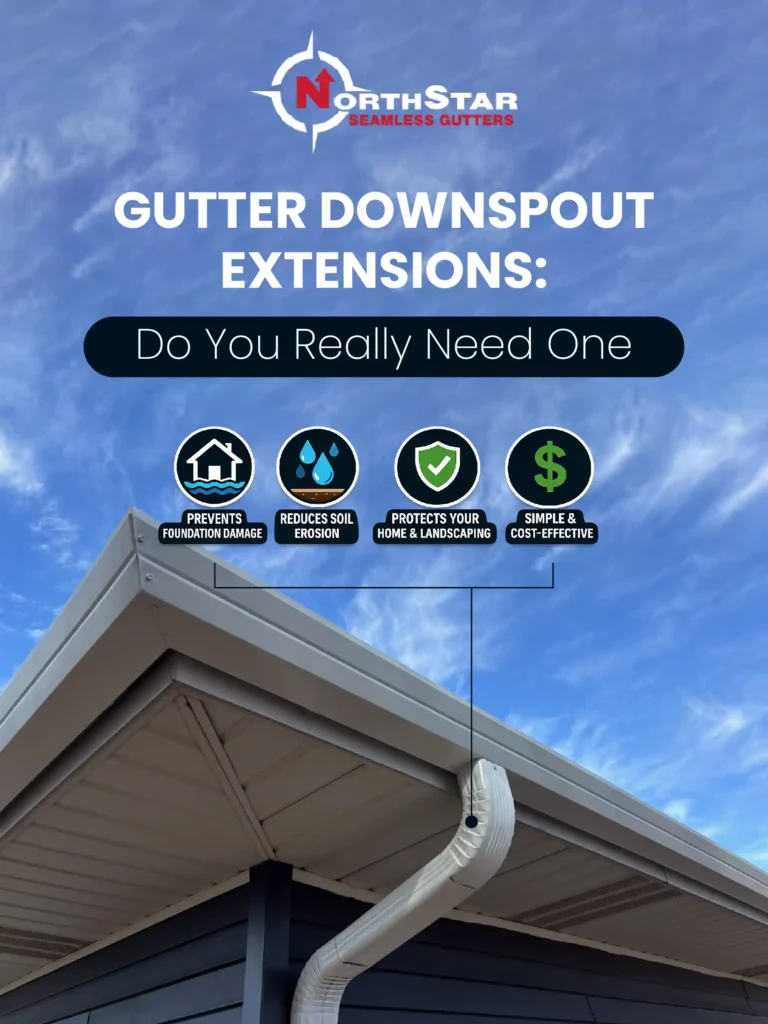
A gutter downspout extension is an add-on that attaches to the bottom of your existing downspout. Its purpose is to channel water further away from your home’s foundation.
While standard gutters and downspouts move rainwater off the roof, they often discharge it just a foot or two from your house. That’s not always enough especially during heavy rainfall.
How It Works
- Collects water from your roof via gutters
- Channels it down through the gutter downspout
- Extends the flow outward, away from your home
This simple addition can significantly improve how your rain gutters and downspouts system performs.
Why Your Home Might Need a Downspout Extension
Not every home has drainage issues but many do without realizing it.
Common Problems Without an Extension
- Water pooling near the foundation
- Soil erosion around the home
- Basement dampness or flooding
- Mold and mildew growth
- Damage to landscaping
Even a high-quality rain gutter downspout setup can fail if water isn’t directed far enough away.
Quick Reality Check
After a rainstorm, take a walk around your home. If you see standing water near the base of your walls, your gutter downspout likely needs an extension.
Key Benefits of Installing a Downspout Extension
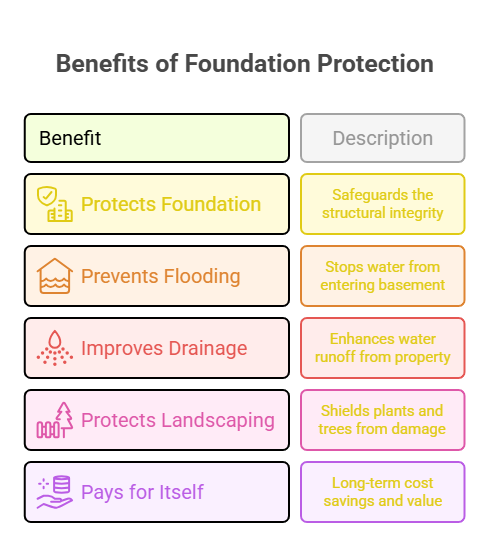
Attaching an extension is not just a “nice feature” it’s a sensible investment in your home’s durability.
1. It Protects Your Foundation
Water accumulation around your home can leach out your foundation over time. Extensions channel water away, helping to prevent this.
2. Prevents Basement Flooding
A correctly extended gutter downspout will keep water from leaking into basements or crawl spaces.
3. Improves Overall Drainage
Extensions increase the effectiveness of your rain gutters and downspouts, particularly when there is a downpour.
4. Landscaping is protected
Prevents soil, mulch, and plants from being washed away by water.
5. It Pays For Itself Over Time
Such preventative measures can save you from costly structural repairs.
Types of Gutter Downspout Extensions
Not all extensions are the same. Choosing the right one depends on your needs, budget, and property layout.
Popular Options
- Flexible Extensions
- Easy to install
- Adjustable direction
- Ideal for DIY homeowners
- Rigid Extensions
- Durable and long-lasting
- Fixed position
- Better for consistent drainage paths
- Roll-Out Extensions
- Automatically extend during rain
- Retract when dry
- Great for maintaining aesthetics
- Underground Drain Pipes
- Hidden from view
- Direct water to a drainage area
- Best installed by professionals
How Far Should a Gutter Downspout Extend?
This is one of the most common questions and for good reason.
Recommended Extension Length
| Situation | Recommended Distance |
| Standard Homes | 4–6 feet |
| Heavy Rainfall Areas | 6–10 feet |
| Poor Drainage Soil | 8–12 feet |
The goal is simple: ensure water flows away from your home, not back toward it.
Signs You Definitely Need One
Still unsure? Watch for these clear indicators:
- Water pooling near your home after rain
- Cracks forming in your foundation
- Damp or musty basement
- Overflowing rain gutter downspout
- Erosion around landscaping
If you notice even one of these, installing an extension is highly recommended.
DIY vs Professional Installation
DIY Installation
Best for:
- Flexible or roll-out extensions
- Budget-conscious homeowners
Steps:
- Measure the required distance
- Attach the extension to the gutter downspout
- Position it to direct water away
Professional Installation
Best for:
- Underground drainage systems
- Complex yard grading issues
Benefits:
- Proper slope and alignment
- Long-term durability
- Reduced maintenance
Maintenance Tips for Long-Term Performance
Installing an extension is only half the job—maintenance ensures it keeps working.
Simple Maintenance Checklist
- Clean debris from gutters and downspouts regularly
- Check for clogs or blockages
- Ensure the extension is properly aligned
- Inspect after heavy storms
A well-maintained rain gutters and downspouts system can last for years without issues.
Cost vs Value: Is It Worth It?
Let’s be practical—does it justify the cost?
Average Costs
- Flexible extensions: Low cost
- Rigid extensions: Moderate cost
- Underground systems: Higher investment
Potential Savings
- Foundation repair: Very expensive
- Basement waterproofing: High cost
- Landscaping repairs: Ongoing expense
In most cases, a small investment in a gutter downspout extension can prevent thousands in damage.
Conclusion:
A gutter downspout extension might seem like a small upgrade, but its impact is huge. If your current rain gutter downspout is releasing water too close to your home, you’re risking serious damage without even realizing it.
The best part? This is one of the simplest and most cost-effective ways to protect your property.
FAQs
1. How far should a gutter downspout extend from the house?
A gutter downspout should extend at least 4–6 feet away from your home to effectively prevent water damage.
2. Are gutter downspout extensions necessary?
They are not always required, but they are highly recommended for homes with drainage issues or heavy rainfall.
3. Can I install a downspout extension myself?
Yes, most extensions are DIY-friendly and easy to install with basic tools.
4. What happens if water collects near my foundation?
It can lead to cracks, basement leaks, mold growth, and structural damage over time.
5. What type of extension is best?
Flexible extensions are great for ease of use, while underground systems offer a more permanent solution.
Tagged: gutter-installation-in-eau-claire, gutter-installation-in-chippewa-falls, gutter-installation-in-fall-creek, gutter-installation-in-bloomer, gutter-installation-in-hudson-city,
Also read : complete-guide-to-gutter-installation-in-wisconsin-2026, how-to-use-half-round-gutters,. do-leaf-guards-really-work-heres-what-you-need-to-know, how-rainwater-harvesting-helps-fight-urban-water-shortages,leafguard-gutters-cost, half-round-copper-gutters-guide-2026, k-style-gutters-complete-guide, downspout-installation-complete-guide, snow-guards-for-metal-roofs, gutter-installation-in-wisconsin, gutter-guards-guide, gutter-repair-10-warning-signs, Gutter Downspouts, Gutter Guard Installation, Leaf Guard vs Gutter Screens, Leaf Filters vs Leaf Guards