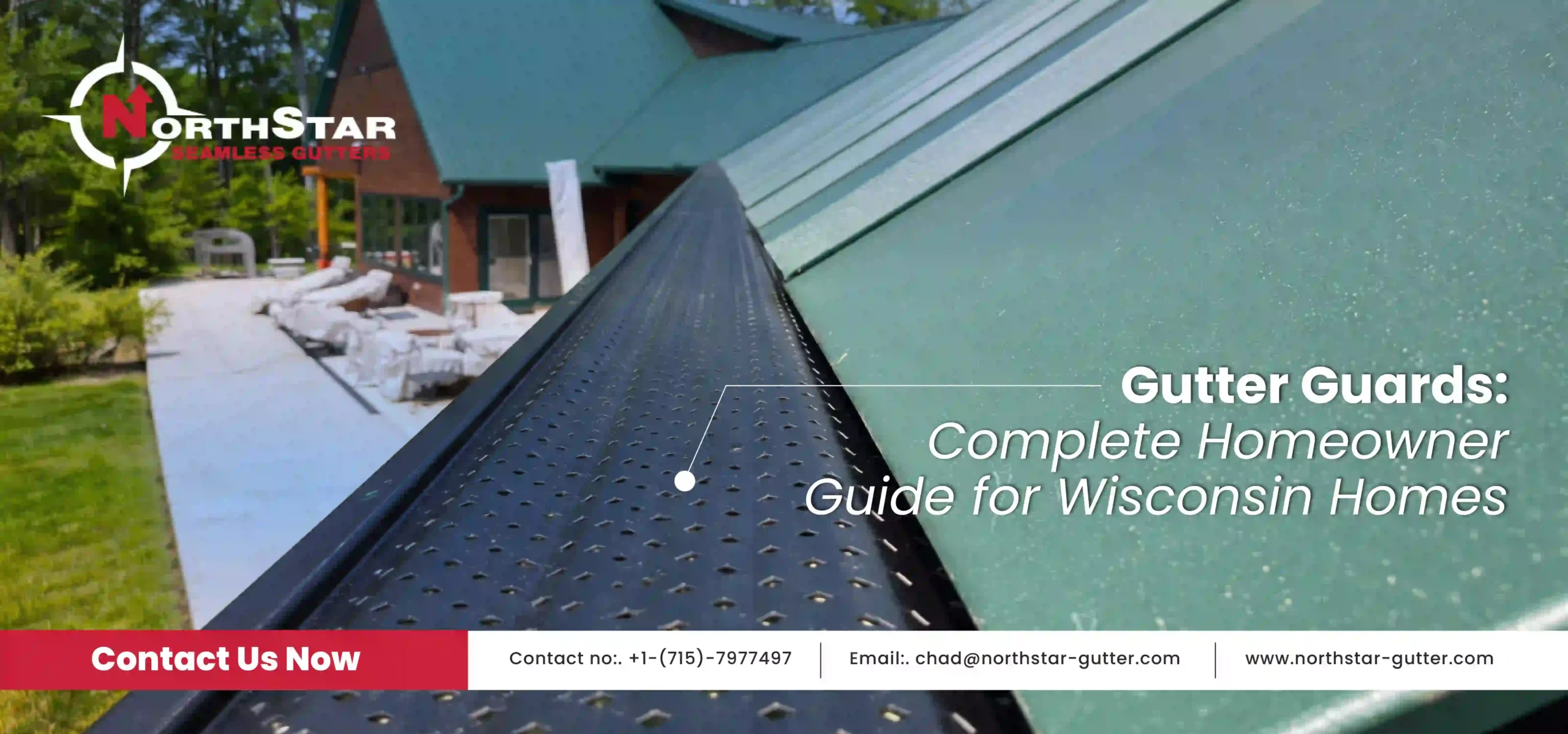
People in Wisconsin know how fast leaves, pine needles, and other trash from the seasons can build up in gutters. Water can’t flow through the drainage system properly when the gutters are full. This can cause water to spill over, damage to the siding, a wet basement, and even problems with the foundation. One of the best ways to protect a home’s gutters and cut down on the need for regular maintenance is to install gutter guards on them.
Many people now put in protective systems that let water through but keep debris out to make it easier for homeowners to clean their gutters less often. These systems make the drainage better, prevent clogging, and make the gutter system last longer. This full guide has all the information you need about gutter guards, including what they are, how they work, the different types that are available, and how homeowners in Wisconsin can choose the best one for long-term protection.
What Are Gutter Guards?
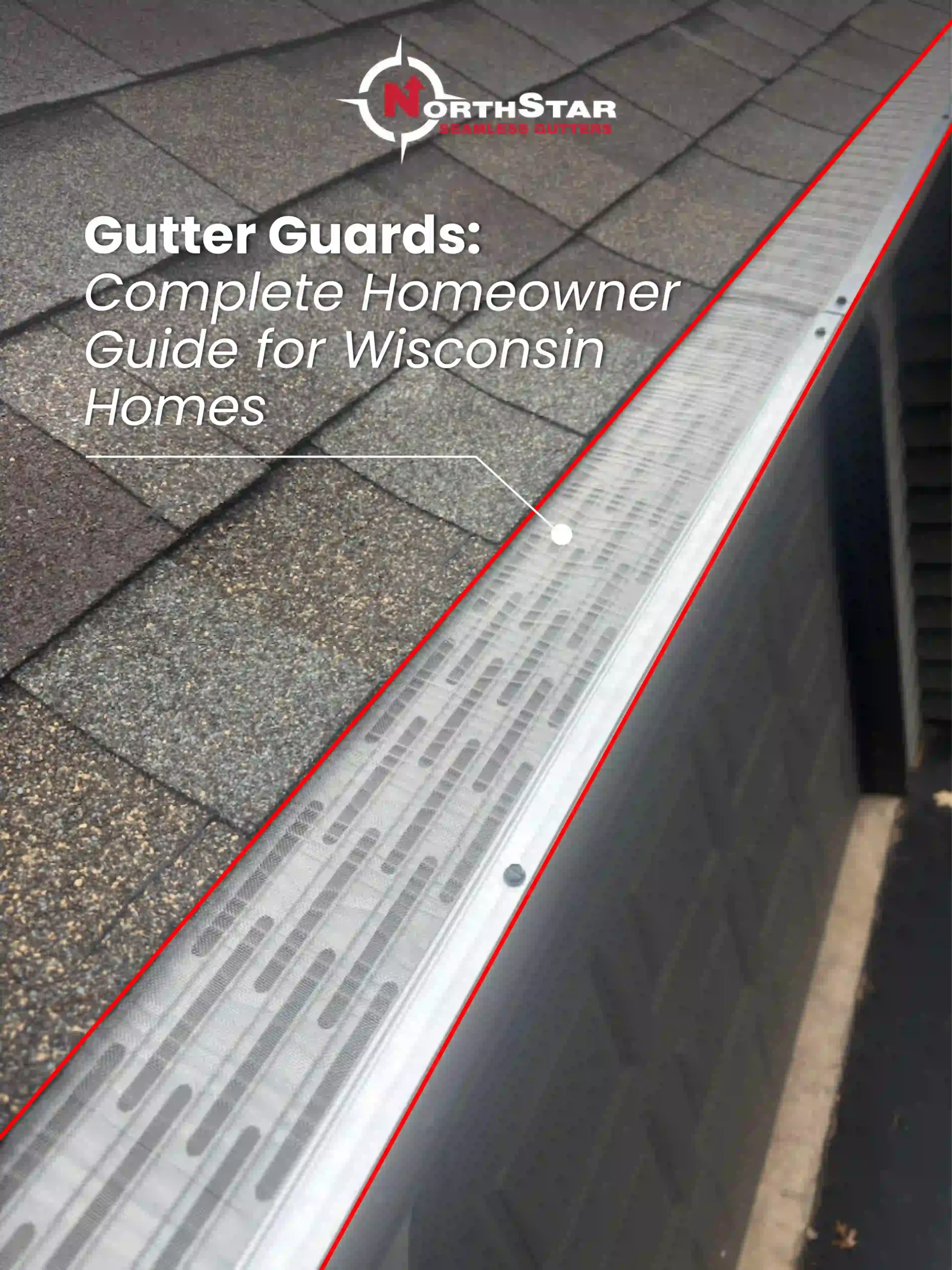
Gutter guards are protective systems that keep leaves, twigs, and dirt out of the gutter channel by covering the rain gutters. They let rainwater through but keep things that could get stuck in the downspouts.
These safety systems work like a screen over the opening in the gutter. The guard keeps garbage from getting into the gutter. It stays on top of the guard, where wind or rain can blow it away. This keeps the water flowing smoothly through the downspout system and gutters.
Most gutter protection systems reduce the need for gutter cleaning and maintenance. This is especially helpful in places with a lot of trees or storms that happen often.
Types of Gutter Guards Available
Different protection systems work in different ways. Some designs can handle more debris, rain, and roof structure than others. The type of gutter covers you need will depend on where you live and how your gutters work.
Some common examples are:
Mesh gutter guards
These guards are made of fine metal mesh that lets water through but keeps out leaves and other trash. They work best in homes that are close to trees.
Screen gutter guards
Screens have holes that are bigger than those in mesh systems. They keep big pieces of trash out of the gutters, but they might let smaller pieces in.
Reverse curve guards
These guards use surface tension to move water into the gutter and stop debris from falling off the edge.
Depending on the weather and how many trees are nearby, each design offers a different level of protection.
Benefits of Installing Gutter Protection Systems
Gutter protection can help homeowners in a lot of ways, especially in places like Wisconsin where snow and other debris can easily block gutters.
Here are some of the main benefits:
- Reduced need for frequent gutter cleaning
- Improved water drainage during heavy rainfall
- Protection against overflowing gutters
- Prevention of foundation and landscaping damage
- Longer lifespan for gutters and downspouts
Gutter protection systems are great for homes that have a lot of big trees around them. These systems help keep the water flowing smoothly through the drainage system by stopping leaves and other debris from building up.
They also make it less likely that water will get under the roof shingles, which can lead to expensive repairs over time.
How Gutter Guard Installation Works
Before a gutter guard installation, professionals usually check out the existing gutter system for damage, clogs, and the right alignment.
The installation process generally includes the following steps:
- Cleaning existing gutters and removing debris
- Inspecting gutters and downspouts for structural damage
- Measuring gutter length to determine guard placement
- Installing the guard system securely along the gutter edge
Professional installation ensures that the guards fit correctly and do not interfere with water flow or roof structure. Improper installation can reduce effectiveness and may even create new drainage problems.
Working with experienced professionals helps ensure that the system performs effectively for many years.
Cost of Gutter Guards
The cost of installing gutter guards varies depending on several factors, including material type, roof size, and installation complexity. Some systems are designed for simple installation, while others require professional fitting.
Key factors that influence price include:
- Type of gutter guard material
- Size and length of the gutter system
- Roof height and accessibility
- Labor and installation requirements
While installation involves an upfront investment, many homeowners find that the reduction in maintenance costs makes it worthwhile. Preventing clogged gutters also reduces the risk of structural damage that could require expensive repairs.
Choosing the Best Gutter Guards for Your Home
Selecting the best gutter guards depends on the environment around your home and the design of your roof. Homes located near wooded areas often require finer mesh guards that can block smaller debris.
When choosing a system, consider:
- Amount of tree coverage near the home
- Roof design and slope
- Typical rainfall levels in the area
- Maintenance preferences
Homes with heavy leaf fall may benefit from advanced filtration systems, while homes with minimal tree coverage may perform well with simpler guard designs.
Evaluating these factors helps ensure that the chosen system provides effective protection and long-term reliability.
Why Wisconsin Homes Benefit from Gutter Protection
Wisconsin experiences a wide range of weather conditions throughout the year. Falling leaves in autumn, heavy snow in winter, and strong storms during spring can all contribute to clogged gutters.
Without proper protection, gutters can fill quickly with debris. This prevents water from flowing through the system and forces it to spill over the sides. Over time, this can damage siding, landscaping, and the foundation.
Installing gutter screens or other protective systems helps prevent debris buildup while allowing water to flow freely. This improves drainage during storms and helps protect the home from long-term water damage.
For homes located near forests or tree-lined streets, gutter protection can significantly reduce seasonal maintenance.
Common Problems Gutter Guards Help Prevent
A lot of homeowners only put up gutter guards after having problems with their gutters over and over again. When gutters are blocked, the drainage system can’t carry rainwater through it the right way. This often causes water to spill over the edge of the gutter and pool near the foundation.
Some of the most common problems that clogged gutters cause are:
- When it rains heavily, the water overflows.
- Soil erosion near the house
- Damage to the siding and outside walls
- Issues with dampness in the basement
- More likely to damage the roof
When trash gets in the way of the water flow, the complete gutter system doesn’t perform as well. Installing the correct gutter protection can help prevent these problems by keeping leaves and other debris out of the gutter channel while allowing rainfall to flow through the system.
Leaves, twigs, and seeds may quickly fill up open gutters, which can make homes near huge trees get stuck a lot. Protective measures prohibit this from happening and help homeowners maintain their drainage operating all year.
Gutter Guard Maintenance Tips for Long-Term Performance
Gutter guards make it much easier to keep your gutters clean, but you should still inspect them from time to time. Over time, small pieces of dirt or pine needles may build up on top of the guard surface. Regular checks help make sure the system keeps working well.
Homeowners should check their gutters at least twice a year, especially after big storms or when the leaves fall in the fall. During these checks, it’s a good idea to look for trash on top of the gutter covers or near the holes for the downspouts.
Usually, maintenance tasks are:
- Cleaning up debris that is on top of the guards
- Making sure the water flows properly by looking at the downspouts
- Checking guard panels to see whether they are broken or out of position
- Making sure that nothing hinders the water from getting into the gutter
It simply takes a few minutes to check your drains regularly, but it can keep greater problems from developing. Taking care of your gutters properly will also make them last longer and make sure that rainwater keeps flowing away from the house fast.
Professional Gutter Inspection Before Installing Guards
Before putting in any kind of protection system, professionals usually check the gutters that are already installed. This step makes sure that the gutters are straight and strong enough to hold the guard system.
When contractors do an inspection, they look at a number of things:
- The state of the existing gutters’ structure
- Alignment and slope to let water flow correctly
- The state of the downspouts and drainage outlets
- Places where trash usually builds up
Before putting up gutter guards, you may need to fix gutters that are broken or sagging. Adding guards to broken gutters can make them less effective and cause water to overflow.
Professional inspections help find problems that are already there. When the gutter system is fixed and lined up correctly, the process of putting up the guard works much better and lasts longer.
Comparing Different Types of Gutter Guards
One of the most common questions homeowners have when they start looking into gutter guards is which type offers the best protection. All systems try to keep trash out of the gutter channel, but how well they work and how they are made can depend on the area around them.
Mesh Gutter Guards: Most people agree that mesh gutter guards are a good idea for homes with trees nearby. The fine metal mesh lets water through easily but keeps out small bits of dirt, pine needles, and leaves. These systems work best in places where trees lose their leaves a lot.
Screen Style Guards: It’s usually easier to put up screen-style guards because they have bigger holes. They stop bigger pieces of trash from getting into the gutter, but they might let smaller things like dirt or seeds through. This means they work well in homes that have a lot of trash.
Reverse Curve Guards: Reverse curve guards use surface tension to move water into the gutter and leave off the edge. These systems work well when it rains a lot, but they don’t always work right if you don’t have a pro install them.
The best gutter guard system for you will depend on things like the shape of your roof, how many trees are around, and the weather where you live. Homes in wooded areas usually need better filtration systems, but homes with fewer trees may do well with simpler guard designs.
Real Installation Example from a Wisconsin Home
The NorthStar Gutter team just installed a new gutter protection system that shows how it can help with drainage over time. Because of the maple trees nearby, a homeowner in Eau Claire had to deal with clogged gutters every fall.
The water couldn’t flow because the gutters were full of leaves. Because of this, the water spilled over the edge when storms hit. The soil near the foundation washed away, and sometimes water would pool at the basement walls.
The team looked at the old system and chose to install a new protection system that could handle a lot of leaf debris instead of the open gutters. The installation included high-quality gutter guards all the way around the roofline. This kept leaves out of the gutter channel while allowing rainwater to flow through.
The homeowner reported that following the renovation, it was easier to keep up with upkeep and that the water flowed better when it rained heavily. The system now stops trash from building up and stops water from hurting the foundation of the house.
This installation shows how the right gutter protection system may help with drainage and cut down on the work that needs to be done each season.
Professional Gutter Guard Services
Although some homeowners attempt DIY installation, professional services ensure that the system is installed correctly and performs as expected. Proper alignment and secure attachment are essential for effective gutter protection.
Professional installers evaluate the entire drainage system, including gutters and downspouts, before installing guards. This ensures that the system functions efficiently and directs water away from the home.
Homeowners seeking gutter services in my area often benefit from working with experienced contractors who understand local weather conditions and roofing structures. Professional installation also reduces the risk of damage caused by improper placement or incompatible materials.
Final Thoughts
Maintaining a clean and efficient gutter system is essential for protecting a home from water damage. Leaves, debris, and seasonal weather can quickly clog gutters and prevent proper drainage. Installing gutter guards helps prevent these problems by blocking debris while allowing water to flow through the system.
For homeowners in Wisconsin, where seasonal debris and storms are common, investing in a reliable gutter protection system can reduce maintenance and protect the home’s structure. Choosing the right system and ensuring proper installation helps keep gutters functioning efficiently throughout the year.
Frequently Asked Questions
- Do gutter guards completely eliminate gutter cleaning?
Gutter guards significantly reduce the need for cleaning but may not eliminate it entirely. Small debris such as dirt or pine needles may occasionally accumulate on top of the guards and require periodic removal.
- Are gutter guards worth the investment?
Many homeowners consider them worthwhile because they reduce maintenance and protect gutters from clogging. They also help prevent water overflow that can damage siding or foundations.
- What type of gutter guard works best for homes with many trees?
Fine mesh systems are often the best choice for homes with heavy tree coverage because they block smaller debris such as pine needles and seed pods.
- How long do gutter guards last?
Most systems last between 10 and 20 years depending on the material and maintenance. High-quality metal systems generally last longer than foam inserts.
- Can gutter guards help during heavy rainfall?
Yes. By preventing debris from clogging gutters, they allow rainwater to flow freely through the drainage system and downspouts.
Also read : complete-guide-to-gutter-installation-in-wisconsin-2026, how-to-use-half-round-gutters,. do-leaf-guards-really-work-heres-what-you-need-to-know, how-rainwater-harvesting-helps-fight-urban-water-shortages,leafguard-gutters-cost, half-round-copper-gutters-guide-2026, k-style-gutters-complete-guide, downspout-installation-complete-guide, snow-guards-for-metal-roofs, gutter-installation-in-wisconsin, gutter-repair-10-warning-signs