


A clogged downspout drain is one of the most common causes of gutter overflow and water damage around a home. Many homeowners focus on cleaning leaves from gutters but overlook the downspouts that carry rainwater safely away from the property. When these drains become blocked, water can back up quickly, leading to roof leaks, siding stains, foundation problems, and landscape erosion.
Keeping gutters and downspouts clean is an important part of regular home maintenance. A properly functioning drainage system protects the structure of the home while helping rainwater flow smoothly during heavy storms.
Why a Clean Downspout Drain Matters
Gutters collect rainwater from the roof, while downspouts direct that water away from the foundation. If the downspout becomes clogged, the entire drainage system struggles to work correctly.
A blocked downspout can cause water to overflow from the gutters, spill near the home, and create standing water around the property. Over time, this excess moisture can weaken foundations, damage siding, and even create mold problems.
A clean drainage system improves water flow and helps prevent expensive repairs caused by long-term water exposure.
Common Causes of a Clogged Downspout Drain
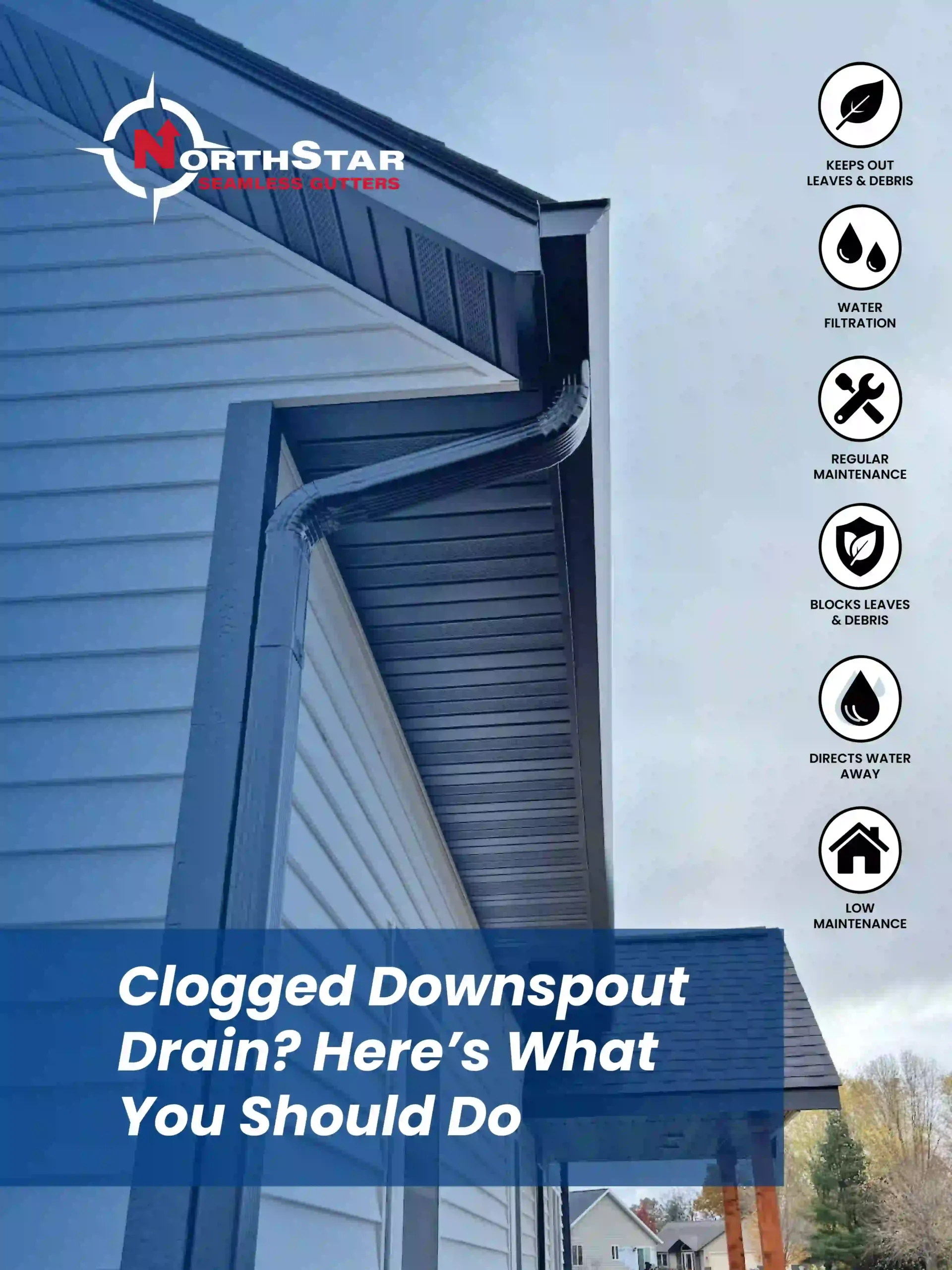
Several issues can lead to downspout blockages. Understanding the most common causes can help homeowners prevent future drainage problems.
Leaves and Debris
Leaves, twigs, pine needles, and dirt are among the most common causes of clogged downspouts. During heavy rainfall, debris washed from the roof can collect inside the drainage system and restrict water flow.
Roof Granules
As asphalt shingles age, they release small granules that travel through the gutters. Over time, these particles can settle inside the downspout and contribute to blockages.
Animal Nests
Birds, squirrels, and insects sometimes build nests inside gutters or downspouts. These obstructions can stop water from flowing properly.
Improper Gutter Slope
If gutters are not angled correctly, water may not move efficiently toward the downspouts. Standing water can collect debris more quickly and increase the risk of clogs.
Signs Your Downspout Drain Is Clogged
Homeowners can often identify drainage problems before major damage occurs. Recognizing early warning signs helps prevent more serious issues later.
Water Overflowing from Gutters
One of the clearest signs of a clogged downspout drain is water spilling over the sides of the gutters during rain.
Sagging Gutters
Blocked water adds extra weight to the gutter system. Over time, this pressure can cause gutters to sag or pull away from the roofline.
Pooling Water Near the Foundation
If water collects around the base of the home after rainfall, the downspouts may not be directing water away properly.
Stains on Siding
Overflowing gutters often leave streaks or stains on exterior walls and siding.
Plants Growing in Gutters
Visible vegetation inside gutters usually indicates long-term debris accumulation and poor drainage.
The Importance of Gutter Downspout Cleanout
Regular gutter downspout cleanout helps maintain efficient drainage and protects the home from water-related damage. Even if gutters appear clean from above, hidden blockages inside the downspouts can still restrict water flow.
Professional cleanout services typically remove debris from both gutters and downspouts while checking for leaks, loose brackets, or drainage issues. Many homeowners schedule cleanings during spring and fall when debris buildup is most common.
Routine maintenance often prevents expensive repairs caused by neglected drainage systems.
How to Clean a Downspout Drain
Some homeowners choose to clean downspouts themselves, especially for smaller homes. However, safety should always come first when working on ladders or roofs.
Remove Visible Debris
Start by removing leaves and debris from the gutters near the downspout opening. This helps improve water access during cleaning.
Flush with Water
Using a garden hose can help push debris through the downspout. Water pressure often clears smaller blockages effectively.
Use a Plumbing Snake
For stubborn clogs, a plumbing snake or drain auger may help break apart compacted debris inside the downspout.
Check Underground Extensions
Some drainage systems connect to underground pipes. These extensions should also be inspected for clogs or obstructions.
Why Professional Cleaning Is Often Better
Although DIY cleaning works in some situations, professional services provide a more thorough inspection and cleaning process.
Experienced technicians can safely access difficult roof areas and identify hidden drainage problems that homeowners may overlook. They also use specialized equipment to clear tough blockages and inspect underground drainage lines.
Professional maintenance can help extend the lifespan of the gutter system while reducing the risk of future drainage failures.
How Gutter Guards Help Prevent Clogs
Gutter guards are designed to reduce debris buildup inside the drainage system. They help block leaves and larger debris while still allowing water to enter the gutters.
There are several types of gutter guards available, including mesh screens, foam inserts, and surface-tension systems. While they can significantly reduce maintenance needs, gutter guards do not completely eliminate the need for occasional cleaning.
Homeowners in heavily wooded areas often benefit the most from installing gutter protection systems.
Seasonal Maintenance Tips for Gutters and Downspouts
Consistent maintenance is the best way to prevent a clogged downspout drain and maintain reliable water flow throughout the year.
Clean Gutters Twice a Year
Most homes benefit from gutter cleaning during spring and fall when leaves and debris accumulate more heavily.
Inspect After Storms
Strong storms can loosen brackets, damage gutters, or push extra debris into the drainage system.
Trim Nearby Trees
Cutting back overhanging branches reduces the amount of leaves and debris entering the gutters.
Check Water Flow Regularly
Running water through the gutters occasionally can help identify developing clogs before they become severe.
The Risks of Ignoring Downspout Problems
Ignoring drainage issues may seem harmless at first, but long-term water exposure can become extremely expensive.
Overflowing gutters can damage roofing materials, stain siding, weaken fascia boards, and erode landscaping. Water that pools near the foundation may eventually cause basement leaks or structural cracks.
Moisture buildup can also attract pests and contribute to mold growth around the property.
Preventive maintenance is almost always less expensive than repairing water damage later.
Choosing the Right Downspout System
The size and placement of downspouts affect how efficiently water drains away from the home. Larger roofs may require additional downspouts to handle increased water flow during heavy rainfall.
Professionals often calculate roof size, rainfall intensity, and drainage patterns before recommending a system design. Proper placement helps prevent water accumulation near entrances, walkways, and landscaping.
Extending downspouts farther away from the foundation can further improve drainage performance.
Why Reliable Drainage Protects Home Value
Homebuyers often notice visible drainage issues such as overflowing gutters, water stains, or foundation erosion. A properly maintained gutter system helps preserve the appearance and structural condition of a property.
Reliable drainage also reduces the likelihood of future repair costs related to moisture damage. Homeowners who invest in regular maintenance often avoid larger structural issues over time.
Clean gutters and downspouts may not always be visible from the ground, but they play a major role in protecting the long-term value of a home.
Conclusion
A clean drainage system is essential for protecting a home from water damage and maintaining reliable gutter performance. A clogged downspout drain can quickly lead to overflowing gutters, foundation problems, siding damage, and costly repairs if left untreated. Regular inspections, seasonal maintenance, and professional gutter downspout cleanout services help ensure water flows safely away from the property year-round.
Many homeowners researching gutter maintenance and drainage solutions often come across Northstar-gutter while exploring ways to improve water flow and reduce long-term gutter problems.
FAQs
What causes a clogged downspout drain?
Leaves, dirt, roof granules, animal nests, and other debris are the most common causes of downspout blockages.
How often should downspouts be cleaned?
Most homeowners should clean gutters and downspouts at least twice a year, especially during spring and fall.
Can a clogged downspout damage my foundation?
Yes, blocked downspouts can cause water to pool near the home, potentially leading to foundation cracks and basement leaks.
Are gutter guards worth installing?
Gutter guards can reduce debris buildup and lower maintenance needs, especially in areas with many trees.
Should I hire a professional for gutter downspout cleanout?
Professional cleaning is often safer and more thorough, especially for multi-story homes or severe blockages.
Also read : complete-guide-to-gutter-installation-in-wisconsin-2026, how-to-use-half-round-gutters,. do-leaf-guards-really-work-heres-what-you-need-to-know, how-rainwater-harvesting-helps-fight-urban-water-shortages,leafguard-gutters-cost, half-round-copper-gutters-guide-2026, k-style-gutters-complete-guide, downspout-installation-complete-guide, snow-guards-for-metal-roofs, gutter-installation-in-wisconsin, gutter-guards-guide, gutter-repair-10-warning-signs, Gutter Downspouts, Gutter Guard Installation, Leaf Guard vs Gutter Screens, Leaf Filters vs Leaf Guards, Gutter Downspout Extensions, Downspout Replacement, half-round-gutter-installation/, rain-gutter-installation-guide